








Cheap, accessible, quietly addictive and very damaging, ketamine use is rising among teens - Mary Deller explains what’s at stake and how you can help protect your child
Young people turning up at A&E with chronic incontinence and extreme bladder pain are amongst worrying stories circulating in the media about the harmful effects of ketamine use.
Recent headlines – ‘Ketamine addiction making teenagers wet the bed’ or ‘Ketamine is wiping out young people in Lancashire’ – are clear indicators that ketamine is a substance we should be concerned about.
During and since the pandemic, young people have used ketamine to self-medicate and manage their mental health issues
Ketamine is no new kid on the block. It was first appeared in 1962 as a potential drug for pain relief and was in fact approved for medical use by the USA during the Vietnam War. A powerful analgesic, it proved useful in veterinary medicine – hence one of slang names: ‘horse tranquilliser’. Recreational use first became popular in the 80s and 90s on the rave scene, albeit at a very low level and it was not a well-known drug. In the early 2000s people began to use it more generally for its sedative, calming effect.
From 2020 onwards, usage grew and there was a sharp spike in 2022-3. Young adults started to prefer ketamine to alcohol on a night out – it became cheaper than alcohol and didn’t leave you with a hangover the next morning. During and since the pandemic, young people have used ketamine to self-medicate and manage their mental health issues. However, it is definitely a double-edged sword – whilst it is easy to dose in theory, it is a potent drug with a short duration of action. The brief ‘happy and bouncy’ high leaves the user wanting more so the temptation is to repeat dose, and because tolerance to ketamine develops rapidly, you need to take a higher dose to achieve the same effect.
Users describe falling into a ‘k-hole’, an experience where people feel dissociated from their physical body
Short-term risks include overdosing, especially if mixed with alcohol, another depressant drug. Users describe falling into a ‘k-hole’, an experience where people feel dissociated from their physical body as if they are looking down on themselves and may even become temporarily paralysed. In such a state, they are extremely vulnerable to predatory behaviour or accidentally hurting themselves.
Longer term risks are now well-known. Ketamine bladder syndrome is seen in 70 per cent of users; mild symptoms like increasing frequency of urination, pelvic pain or lower back pressure, may result from using a few times per month. At this stage users may not consider going to the GP.
Regular use may lead to reduced bladder capacity, ulceration of the bladder, incontinence, and in the worst-case scenario, irreversible bladder damage
Regular use may lead to reduced bladder capacity, ulceration of the bladder, incontinence, and in the worst-case scenario, irreversible bladder damage. Whilst the drug is not physically addictive, it forms an intense, psychological addiction – according to experts, a month of use may lead to using every other day; after two to three months, it becomes normal to use every day, probably at home alone. Ketamine can take over your life.
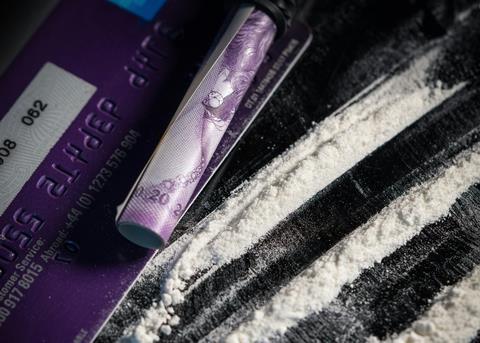
At just £20 a gram of ketamine is cheap and accessible. It is sold as a slightly granular, white powder and the most common way of using it is to snort it, like cocaine powder. Many young people first encounter ketamine at summer music festivals. Data from the ONS shows usage has more than doubled amongst 16-24-year-olds since 2016. According to statistics from the Office for Health Improvement and Disparities, the percentage of adults entering treatment for ketamine use compared to other substances increased from 2.3 per cent in 2023-24, to 3.2 per cent in 2024-25. The average age of those presenting for treatment is just 26 and users are getting younger. Alder Hey Children’s Hospital has just opened the first ketamine clinic for young people in the UK, after a surge in urology problems. In some parts of the country ketamine is being cited as the third most commonly used substance after alcohol and cannabis.
Most young people do not know the risks when they first encounter ketamine
Recently the government’s own advisers, the Advisory Council for the Misuse of Drugs (ACMD) concluded that a change in the law to upgrade ketamine from Class B to Class A would not be advisable. An upgrade from Class C to Class B some years ago did not result in the expected fall in usage, in fact the reverse was true. At present there is little prevention work being done with children and young people to raise awareness of the risks and harms of the drug. Better drug education and harm reduction messaging is vital, say the experts.
What should parents and carers do if they are concerned? Raising awareness of the risks (as many former users are doing to prevent anyone else from experiencing what they are going through), is a good place to start. Most young people do not know the risks when they first encounter ketamine – at a party, music festival or other social event. In the moment, it is virtually impossible to weigh up the pros and cons rationally. Children and teenagers should also be aware of how easy it is to get hold of ketamine and other illicit substances on social media using QR codes, with just one click!
Parent power really does make a difference
Young people are documenting their own ‘recovery journeys’ on social media. Rose’s story was shared in the news earlier this year. Rose was introduced to ketamine at university. Although she didn’t like it at first, it quickly became a frequent part of her life after moving in with a friend who was a regular user.
Occasional use as part of the London rave scene escalated to daily use within months; eventually, her housemates would often take ketamine while watching a film on weekday evenings. Rose sourced her own supply and that turned into regular using, on her own.
Read more:
She described it as a ‘slippery slope’. Her body began to suffer the consequences of her ketamine use. Abdominal cramps resulted in a visit to A&E. Although she was aware of the trajectory of her drug use, she was in denial, because she felt unable to stop using. In her desperation to escape her situation, she went abroad, but inevitably, the addiction went with her. Rose’s attempts to source the drug landed her in trouble with the law for importing an illegal substance and a short prison term followed. Whilst in prison she experienced withdrawal symptoms; the ketamine use had numbed her feelings for so long that when she came off it, she felt completely overwhelmed.
Rose is now back in the UK and in recovery and she is sharing her story on social media to raise awareness of the dangers of ketamine addiction.
Parent power really does make a difference – check out whether your school is equipping pupils with the skills they need to manage tricky situations, such as being offered a drug. If not, contact the school governors and the headteacher to ask why not! For more information on alcohol and drug prevention contact Hope UK.