








Robin Barfield highlights the hidden costs of blanket bans, the importance of digital literacy, and why real safety comes from equipping children, not just restricting them

I recently had a delightful conversation on Premier Radio with a very thoughtful mum who had signed the Smartphone Free Childhood pledge. You can listen to it in full here. The pledge seems reasonable, signing a commitment to delay giving a smartphone until a child is 14 and social media until a child is 16. It works around collective action in seeking to prevent the ‘pester power’ that comes when ‘every other child in my class’ has a device.
So far, so good. Except we need to ask a few more questions. I have written before that the research on harms does not demand such a negative view, and we need to be careful to nuance exactly what we are talking about banning here. But there are a few more live issues to consider.
Signing a pledge like this could breed resentment among our children
1. What are the potential losses of a ‘smartphone-free childhood’?
It has been interesting to hear Ian Russell, the father of Molly Russell, who took her own life after viewing horrendous posts, speak calmly and bravely about how important a force for good social media can be. He knows more than anyone how destructive it can also be, so to hear him speak about its possibilities is very striking.
His opposition to the ban, alongside the NSPCC, stems from concern that a ban could remove significant social connections from more vulnerable children and young people. The sense that it may give a ‘false sense of safety’ contributes to these concerns.
On the pledge website, there seems to be little definition of what is meant by social media
Following the radio interview, in which I argued that conversation, rather than cancellation, was key, we had a family discussion about the issue. We had been careful as a family to allow one social media app (beyond WhatsApp) in a limited and open way, with conversation, up to age 16. One of my older children said he felt he had been left behind his friends in his digital abilities. These are significant abilities for adult life today: many jobs do and will continue to require high levels of digital proficiency.
Those benefits of social and educational good are significant. Signing a pledge like this could breed resentment among our children. Children often feel hard done by, but taking a more extreme position on an issue at the heart of 21st-century life may make this worse.
2. A pledge like this, or a blanket ban, does not take account of the nuances
There seems to be a reaction against ‘screen-time’ when it has been shown that what is done on screens is a more significant question. The different impacts of different platforms on different children are not taken into account either. On the pledge website, there seems to be little definition of what is meant by social media. Often WhatsApp is left off the list, but it functions in many ways as a form of social media. The pledge does not allow any nuance or clarity around these issues.
Read more:
5 tips for Christian parents to manage kids’ screen time
4 ways to prepare your teenager for a social media ban
3. Signing a community pledge makes it very hard to change your mind should that become the right thing to do
We do not know what the future may bring, and a change in life circumstances may change our minds. Should we have family members who move away and value good social connections with our children, it may be more sensible to carefully reappraise our commitment. But then how would the rest of the community feel if we broke our pledge? This whole movement is based on everyone committing.
4. It feels as though it is targeting the wrong people
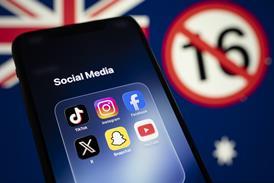
It has been interesting to hear the views of children both in the radio interview and from Australia. Some of whom have expressed the opinion, ‘What have we done wrong?’ No parent wants their child to view violent, sexualised or otherwise inappropriate images. But the issue is with the platforms and other users. The solution must be to make these platforms safer. This seems to be the overwhelming message of children and young people, which is being ignored in much of this discussion.
The way of wisdom is more complex than applying universal rules that cannot be changed
It is always a finely balanced argument about whether banning or managing is the better option if we believe something is harmful. I recognise that, because I am not as convinced of the universal harms of social media, we need to help our children navigate the world’s harms in an appropriate and wise way that will prepare them for adult life.
We need wisdom and guidance as parents in every area of life, not least on this issue, but applying strict, somewhat arbitrary rules concerns me. The way of wisdom is more complex than applying universal rules that cannot be changed.