








Robin Barfield argues that the government’s sweeping ban misses the mark and may actually put kids at greater risk. Families and churches should focus on digital wisdom and safe online skills instead of blanket bans
For an alternative view see here.
Imagine you had a problem with squirrels. They were everywhere they shouldn’t be, eating the food that you had put out for the birds and pulling up the plants in the garden. How would you get rid of them? You could put out careful traps which would select only the squirrels, or you could take a machine gun to the garden. The problem with the second solution is that it would likely miss most squirrels and cause chaos, as well as more damage to other wildlife and your garden generally.
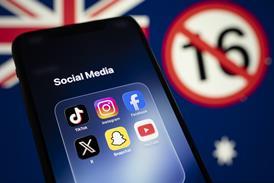
This week, Keir Starmer has announced that the government is to ban social media for under 16s in a bold new policy that has certainly grabbed the initiative back for a struggling Prime Minister. However, a number of questions arise from this change.
1) Will it work?
Evidence from the Australian ban suggests not. More than 60% of children are still on social media platforms. The problem with this is that they are not on social media as children with an Insta teen account or a Snapchat Family Centre that allows some oversight. They are there at the mercy of predatory adults and tech companies. The Molly Rose Foundation, set up by the father of Molly Russell, has warned that it’s a ‘high-stakes gamble on children’s safety.’ Ian Russell has described this headline-grabbing announcement as ‘deplorable.’
it’s like using a machine gun to get rid of squirrels: it will cause more harm and put children in more danger
Under-16s must be protected from harmful content and harmful people but not only is this no silver bullet, but it’s also more like using a machine gun to get rid of squirrels: it will cause more harm and put children in more danger.
2) What is social media?
The other problem with this ban is that it is not entirely clear yet what is being banned. There is no definition of social media, with reports suggesting that messaging apps such as WhatsApp are being excluded despite functioning like social media in many ways.
Social media platforms have shown huge potential for social connections with like-minded individuals and for showcasing creative talents and abilities. They were formed for connectivity and creativity. I recognise that most platforms have become places of consumption and consumerism, as is often the case with new technologies, but there could be a way back to these social and spiritual goods for young people.
If that paragraph makes you snort with cynicism, can I suggest that you look at how many young people are engaging on these platforms? They interact online in a very different way from us as parents, often having formed their own ways of living wisely online.
Read more:
4 ways Christian parents can get ready for the social media ban for U16s
Why this Christian son thinks social media bans for under 16s will fail
Why this Christian dad welcomes the social media ban for under 16s
3) Do we want it to work?
If social media is mostly about connecting people and enabling the expression of creativity, then perhaps we should strive for them to be places of spiritual good. Whilst we recognise the enormous power of these digital lands to do both incredible harm and incredible good, we can press for more of the latter whilst being a voice for online child safety. For some young people, it has been a lifeline of support in situations of abuse and offline harm.
I do find it ironic that the very voices who were lauding the ‘Quiet Revival’ amongst young people, which was often fuelled by algorithms that fed more spiritual content, are now some of the very same voices applauding the ban.
Helping young people to be online well and safely is a far better approach than an ill-considered ban
Rather, young people could become isolated and deskilled in some of the very tools that may be necessary for employment and societal engagement in adulthood. Some of the most successful tech titans were the ones who were told off for spending too much time in their garage tinkering with computers. In a competitive global digital market, it seems a strange move to make.
4) Is a ban good for young people
We need to understand how young people develop. The teenage years are a time of pulling away from family and towards independence, they are working out who they are and making mistakes along the way.
This used to involve drinking cider in the park and sexual encounters. These risky behaviours have declined. Identity formation now occurs in a hybrid online way. There are both good and bad sides to this. But the more we ban something, the more teenagers will want it, and, as they are more tech-savvy than we are, they will find ways around it.
When teenagers are treated strictly, they are more likely to rebel strongly. As a parent, I have been cautious about allowing my children to choose one platform at around age 13, making sure I discuss the possibilities and dangers with them and trying to keep the conversation going.
Social Media platforms are not ‘evils’, but this ban portrays them as such. Great harm can be done to young people by content and contact produced by evil people, but great good can also result. Helping young people to be online well and safely is a far better approach than an ill-considered ban.
For an alternative view see here.





















No comments yet