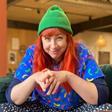


This Neurodiversity Celebration Week, Sophie Killingley explains how difference and disability reflect God’s creative handiwork, and why every person is worth celebrating
This week its “Neurodiversity Celebration Week!”
And honestly, it feels like stories about neurodiversity seem to be rarely out of the news these days! Whether that’s headlines with MP’s complaining about what they think is “overdiagnosis” of Autism and ADHD, or more misinformation coming from the US about possible causes for Autism (spoiler alert; it’s not paracetamol) or heartbreaking stories of children and families let down by the systems in place which were supposed to protect people with special educational needs and disability. (SEND)
One thing these stories have in common? Well, they are overwhelmingly negative! And a lot of the information given about diagnosis rates and “causes” are incorrect and harmful.
you can’t be “cured” by eating more kale
Let’s address that as we seek to find what great things there are to celebrate about neurodiversity!
In order to celebrate something, we need first to understand it. In a vast sea of misinformation and hot takes here are some simple definitions about neurodivergence.
What is neurodivergence?
In technical terms it’s a lifelong neurological condition of varying severities. Let’s break that down, shall we?
It’s lifelong. Which means it is something that is neither “caught” nor “acquired”. So, that means it’s not a disease and you can’t get it from a vaccine, no matter how much that irritating myth has endured. As best we understand it, it’s genetic! Something you are innately, or not. It also means you can’t be “cured” by eating more kale.
It’s a neurological condition. Which means it’s about your brain wiring. The vast majority of the population experience things like memory, social communication, ability to organise and prioritise, in similar ways. They are “neurotypical”. Their brains work in a typical and majority way.
The spectrum is much more like a sound mixing desk with many dials and sliders
Others of us have differences in our ability to communicate, categorise, focus, organise or experience sensory things, and so we are called “neurodivergent”.
It’s experienced in ways that are more and less severe, and that’s where the idea of “a spectrum” comes in. Most confusion happens as people picture “the spectrum” as a long line going from “mild” to “severe”. Which isn’t helpful.
Can you spare 5 minutes to help Premier NexGen? Answering this short survey will help us make our great content for Christian parents even better
The spectrum is much more like a sound mixing desk with many dials and sliders. Each slider is labelled something different, for example, sensory processing, social communication, need for routine, social battery, executive functioning, etc. And for every neurodivergent person, each of them will have a slightly different read on their dials. Someone might have amazing social battery and communication skills, but have dials turned up really high on areas like executive function, and sensory processing.
There are many conditions which come under the “neurodivergent umbrella”. From Autism Spectrum Disorder (ASD) to ADHD, or Tourette’s Syndrome, dyslexia, dyspraxia and dyscalculia and many more. Each with slightly different presentations and each person experiencing it in their own unique way.
So you can see how vast the diversity of experience is!
Autism (ASD) is actually be classified as a disability in the UK under the Equality Act of 2010.
I don’t subscribe to the idea that neurodiversity is a “superpower”, nor is it some sort of “tragedy”. It’s just a fact of natural diversity
And again, because there are aspects of real difficulty and disability within neurodivergence, many Christians can get confused and think it’s something to be “cured” or “prayed away” rather than celebrated.
There are so many layers to this! Let’s unpack some of them!
I don’t subscribe to the idea that neurodiversity is a “superpower”, nor is it some sort of “tragedy”. It’s just a fact of natural diversity. Autism Expert Simon Baron-Cohen describes autism as being both about difference and disability.
Neurodiversity is part of the diversity shown in creation. A difference in brain process, pattern recognition and unique strengths
I think neurodivergence is present in Genesis 1! God didn’t create a world just for function and utility, but with beauty, colour and diversity. If you read the whole chapter, you’ll see how each living creature is made with so many variations “according to their kind”. With the pinnacle being male and female human beings in Genesis 1:31.
Neurodiversity is part of the diversity shown in creation. A difference in brain process, pattern recognition and unique strengths.
I would suggest that when Genesis 3 came along and the created order broke down, disability was added to equation. Hardship, grief, pain and trial. Neurodiversity as both difference and disability.
But whether disability is present or not, is no reason not to celebrate neurodiversity. We must just understand that each experience is different, and some experiences include harder and more debilitating issues for daily life and will require more support.
Why celebrate?
Firstly, because each and every living person is made in the image of God! Each person has dignity, worth and value because they are alive. A miracle!
We can get so caught up in this inbuilt capitalist western mindset about “being productive” and “not being a burden” we completely miss the point of being alive.
Our worth is not tied to how productive to society we are deemed to have been that day. In fact, that worldview is just tied up in ableist rhetoric!
And the idea that we exist to never be a burden to anyone is also ridiculous and ableist!
I’ve noted so many neurodivergent people have an intense capacity for joy!
We are ALL a burden at different points in our lives. We certainly start life as one, and we definitely end life as one. And what happens in the middle is a daily exchange of people caring for one another and taking turns to hold each other’s burdens, as we are commanded.
“Carry one another’s burdens, and in this way you will fulfil the law of Christ” Galatians 6:2
So, let’s set those wrong ideas aside!
As a neurodivergent adult myself and with two autistic teenagers I can tell you so many positive and beautiful things that are part of our lives as a result of being part of this diverse tapestry of human expression!
We are image bearers and part of God’s creative diversity in a flawed world
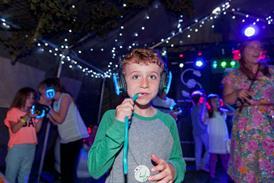
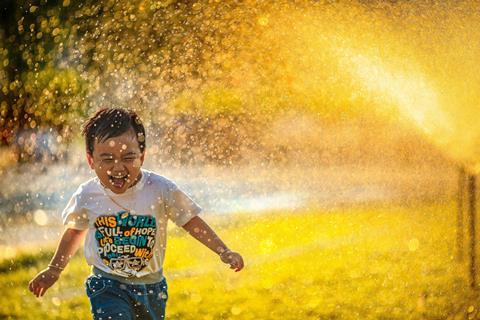
I’ve noted so many neurodivergent people have an intense capacity for joy! We tend to notice detail and feel things very deeply. My children have often amazed me with their purity of joy! No worry about being “cool” and “aloof”, they both have huge and varied interests and when they get excited or absorbed in those things, their joy is overspilling and unmatched! I feel similarly, my emotions are often super-sized, and though sometimes is a lot to handle, I’m so thankful and celebrate the ways I sense God when playing with my symphony orchestra, or watching the wind blow the grass in waves across a field.
Neurodivergent people may at times struggle to keep time and make appointments, and struggle with all manner of ways with the sensory world. But when we find the things we love, that make our brains light up? There will be no-one with better knowledge on the subject! Our attention to detail and hyperfocus will surpass anything you’ve ever seen. The pattern recognition, and instincts strong.
Read more:
5 steps parents can take to make church work for children with trauma
Why I’m worried that SEND changes will push more children through the cracks
So many neurodivergent people, once they have understood themselves, and know they are not fundamentally “weird” or broken, are so wonderfully unapologetically themselves. Often with such empathetic sensitivity to “the outsider” as most neurodivergent people will have felt one during their life.
Some neurodivergent people may have particularly brilliant unique gifts, and some none to speak of. But that’s rather beside the point. We are image bearers and part of God’s creative diversity in a flawed world. I think there’s a lot to celebrate.