








In this interview we hear how, with honesty and practical advice, Dr John Greenall’s new book helps fathers move beyond pressure and perfectionism to build real connection, confidence and faith at home
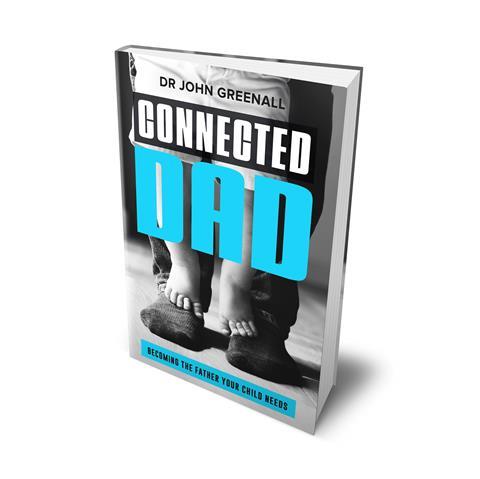
Dr John Greenall is a Consultant Paediatrician, ICF-certified coach, Christian leader and father of four, with over 20 years’ experience working with children, young people and families. He is the author of Connected Dad: Becoming the Father Your Child Needs, helping fathers grow in calm, confidence and connection with their children. John previously served for nine years as Associate CEO of the Christian Medical Fellowship and continues to speak, mentor and train Christian leaders. He lives in London with his wife and family.
What inspired Connected Dad and what are you hoping it will do for fathers?
Connected Dad is about helping dads build and grow relationships with their children right in the middle of ordinary life. Dads today are more involved in family life than ever before, but they’re also facing a lot of mixed messages: “be present and emotionally available, but also provide for the family; stay strong but also be gentle.” Many dads feel this pressure and strain, especially with work, neurodiversity, managing screens, and sometimes also feeling pushed to the edge of family life. I wrote the book not as a parenting expert with all the answers, but as a companion who’s walked this road too. As a doctor, I share what we know about child development, and as a dad, I’ve listened to hundreds, even thousands, of fathers. I wanted the book to offer practical next steps and encouragement.
dads worry about losing their temper or being too harsh, and then they’re unsure how to repair things or reconnect
The book is structured around three movements: calm, confidence, and connection. Calm is about how we set the emotional temperature at home, especially when things get stressful. Confidence is recognising that as dads, we are needed and have unique resources to offer our families. Connection is about staying relationally close, even through conflict, screens, or parenting differences. It’s not about being a perfect dad, but about being present, learning, and growing in confidence.
How do calm, confidence, and connection relate to one another?
They’re strongly linked. It’s very hard to connect with your children if you’re stressed or angry. Finding calm helps us be more confident in our role, and with that confidence, we’re able to connect better. But the relationship goes both ways, having a close connection with your kids or teenagers can actually help you feel more confident as a dad, too. That’s why I see these as overlapping movements, not just steps.
pause and notice what’s going on inside you when your child pushes back
What do you see as some of the issues dads face in moving towards connection?
A lot of dads naturally fall into the fixer or project manager role, they want to solve problems and get the family moving. Sometimes, though, this means we miss out on real connection, or we end up as the “police” who enforce rules or end the fun. Dads want to be fun and involved, but often feel squeezed for time, especially if they’re working long hours. There’s also a cultural dynamic: dads often lean toward risk-taking and want their kids to experience adventure, while mums are sometimes more focused on safety. These tensions can leave dads feeling left out, especially in medical or educational settings where mums are often more present.
There’s also a lot of guilt around discipline, dads worry about losing their temper or being too harsh, and then they’re unsure how to repair things or reconnect. Many dads don’t have places to talk honestly about what good fatherhood looks like, so they keep these struggles inside.
What practical steps can dads take when they feel overwhelmed or disconnected?
One of the first things is to pause and notice what’s going on inside you when your child pushes back. What’s the feeling that rises up? And what might be going on for your child, are they tired, hungry, or just needing connection? Try to enter their world, even in small ways, like inviting them to help fix something, going for a kickabout, or chatting in the car with phones off. It’s about small, repeated moments of connection.
fatherhood is given, not earned, it’s a vocation and a stewardship from God, not something we achieve by performing well
Repair is also key, learning to apologise, name where you got it wrong, and start again. Parenting is a series of “start agains.” Affirming your child’s place in your life, and reminding them they are unconditionally loved, is powerful. It’s also important to stop comparing yourself to other dads. Start where you are, with the child in front of you, even if your energy feels low.
If you were to write a version specifically for Christians, what would you add?
While Connected Dad is accessible for all, my Christian worldview shapes it deeply. For Christians, fatherhood is given, not earned, it’s a vocation and a stewardship from God, not something we achieve by performing well. Our children have intrinsic value as individuals loved by God, not as extensions of our own identity.
Authority, for Christians, is patterned after Christ: it’s given for service, not control. Our strength is for our child’s good, not domination. Grace changes everything, Christian dads can confess and repair when they get things wrong, knowing God forgives and restores. This allows us to parent with confidence, not shame. And our connection with our children reflects, however imperfectly, the relationship we have with our Heavenly Father, who always seeks to restore us.
I’d love to see dads building lasting, adaptable relationships with their children, connections that grow as their kids become adults
What kind of feedback have you received so far?
The response has been really encouraging. Dads have said they recognise themselves in the book and appreciate that it’s honest, non-shaming, and practical. One dad said it was just nice to see he wasn’t the only one struggling. Parents of neurodivergent children have found it helpful too. One mum told me she wished her ex-husband had read something like this, as it could have offered support and understanding rather than just pressure to “try harder.” Dads have also reached out for more conversation, especially those who feel stuck in connecting with a particular child.
What do you hope Connected Dad will achieve?
I hope dads feel seen and understood, and that they realise their child needs them, not a perfect dad, but a present one. I want to give dads confidence that they have something unique to offer. Ultimately, I’d love to see dads building lasting, adaptable relationships with their children, connections that grow as their kids become adults. If the book prompts honest conversations between dads, and helps even a few families connect more deeply, that would be a wonderful success.
Connected Dad is available from 7 September 2026