








Despite regulations, digital marketing makes alcohol more accessible than ever. Mary Deller from Hope UK says that Christian parents play a vital role in educating and equipping young people for wise choices
The end of the school year is here and many young people will be looking forward to parties, music festivals and holidays.
The thought of those care-free, long summer days might however be tinged by slight anxiety on the part of parents and carers, who worry about their children keeping safe.
In recent weeks there have been many news headlines about excessive alcohol consumption – binge drinking – by under-18s. Stories from all over the UK, raise alarm bells about easy access to alcohol brands that seem to have a huge appeal to young people – despite the insistence by the drinks industry that they do not market their products to appeal to this age group.
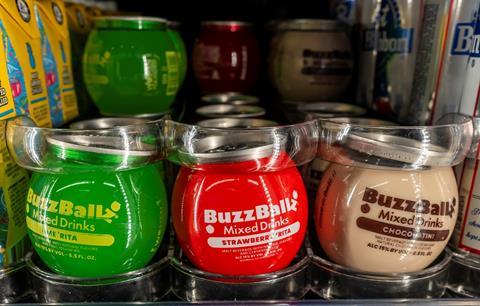
Readers may recall the colourful, flavoured, sweet and fizzy premixed ‘alcopops’ that were popular in the 90s – below 5% ABV: ‘basically fruit juice’ according to some. Today’s iteration of the fun, cheap and readily accessible alcoholic drink – often in a single click – can be seen in brands like ‘Buzzballz’ and most recently, the ‘99’.
Research done by the industry into the drinking habits of Gen Z claims that ‘Gen Z are not anti-alcohol’ - they drink differently to all older generations
Its bold colours and high-energy branding have given the 99 brand a cult following in the US. The brand describes itself as delivering a ‘full flavour injection in every shot’, with intense fruity flavours designed to stand out from traditional spirits.
At 15% ABV, packaged in a 50 ml bottle, the 99 was launched in the UK in May at an event on a university campus, with complimentary shot-infused soft desserts – the 99 Liquor Whip – dispensed from a retro-inspired ice cream van. Sazerac, the company behind its launch stated on its website:
“Rolling into the University of Birmingham and Birmingham City University, the 99 Liquor Whip will deliver a multi-sensory hit of flavour, music and memory. As exams wrap and summer approaches, 99 is inviting students to put down pens and pick up a 99p shot and party like it’s ’99.”
A minority of under-age people are consuming alcohol; however, we have not cracked the problem of binge drinking
Research done by the industry into the drinking habits of Gen Z claims that ‘Gen Z are not anti-alcohol’ - they drink differently to all older generations. What resonates with them is a brand that is more about ‘social image’, the ‘vibe’ and that engages with them ‘on a cultural and emotional level’. The alcohol industry appears to have tapped into the zeitgeist of Gen Z, the key demographic driving the growth of spirit-based brands. Of course, social media plays a key role in all of this.
Looking at the big picture around youth and alcohol consumption, we do know that overall, there has been a steady decline in alcohol consumption amongst under-25s over the past few decades. A minority of under-age people are consuming alcohol; however, we have not cracked the problem of binge drinking. According to OECD data the UK ranks fourth highest for ‘heavy episodic drinking among 15+’. The earlier young people start drinking, the greater the risk of a problematic relationship with alcohol later in life.
We also know that introducing a teenager to alcohol as a way of encouraging responsible drinking, an approach that, on the face of it, might seem like a good idea, is not actually a safeguard. In fact, the evidence tells us that it is likely to have the opposite effect.
cynics amongst us might say that young people are the perfect market for addictive substances as they are potential lifelong customers
Setting traditional advertising aside, the advent of digital marketing has propelled us into a brave new world. Brands have increasingly taken advantage of more creative and edgier possibilities online, a space that is much harder to regulate than traditional advertising. In the pre-internet age, catching sight of an advert for a new product would not have meant instant gratification. Today we see something that we like the look of, and we can simply click through to an online shop and take advantage of instant online delivery services.
According to Professor Nicholas Carah, an expert on digital marketing, many brands are using this space to target younger consumers. When it comes to alcohol, a very small percentage of consumers account for most purchases. Therefore, the industry must find and sustain new markets – cynics amongst us might say that young people are the perfect market for addictive substances as they are potential lifelong customers.
Manufacturers state that they do not target children and young people and that the online platforms have tools to prevent this. In response to concerns raised by alcohol charities and health professionals, Sazerac told The Guardian newspaper that it views underage drinking “seriously, which is why all activity is governed by strict UK alcohol marketing, retail and age-verification standards.”
Drinking tends prevalent amongst younger people are clearly fuelled by cheaper alcohol bought online or in supermarkets
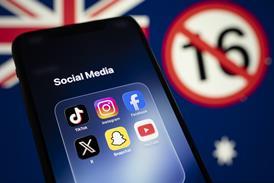
The UK government’s recent announcement of a proposed ban on social media for under-16s raises many questions, not least whether it will be effective in achieving its stated outcomes. Professor Carah’s view is that we already have the tools within digital marketing to regulate and control what our children are exposed to online. The data gathered by online platforms tells them a huge amount about individuals, he says: “Platforms are protocol-driven, rules-based businesses, so implementing rules should be easier in this kind of market.”
For example, in theory, platforms know the age of the user. The problem is the difficulty of verifying this. If children pester their parents to have a social media account at the age of 10 or 11, when the minimum age is in fact 13, by the time they reach 15 years, the platform assumes that they are now 18 and will start targeting them with alcohol advertising. The challenge for the regulators and the online platforms is how to enforce age verification.
Professor Carah’s view is that digital technology should be used to find solutions to the rapid delivery market. About 75% of all alcohol bought in the UK is for consumption away from the place of purchase. Drinking tends prevalent amongst younger people are clearly fuelled by cheaper alcohol bought online or in supermarkets. “The home is turned into a kind of ‘digital bottle shop’ at the click of a button and where harmful products like alcohol are concerned, we have a very dangerous situation.”
Read more:
Why Christian parents must wake up to the risks of illegal spice-laced vapes
Ketamine is wrecking young lives - Christian parents need to know the risks
Whilst we wait for the legislators and the policy makers to catch up with the real world and find a way of effectively regulating the big global online platforms, we still have an ace card up our sleeves, and it’s one that we need to play with a greater urgency than ever before.
Education is proven to be effective in delaying the onset of early drinking habits. And it’s not just about knowledge – life skills are known to be the most effective way to teach our children and young people the tools they will need to safeguard themselves from alcohol-related and all other harms, as they navigate their way towards adulthood. Parental influence is a key factor and much more significant than most parents might think. If parents equip themselves with enough knowledge (you don’t have to be an expert) they will be able to support their children more effectively.


















No comments yet