










As England exit the World Cup, John Reynolds thinks that in the celebration and heartbreak that football fever brings, Christian families have a chance to model honest emotion, real hope, and the truth that joy runs deeper than any scoreline
When England scored against Argentina on Wednesday night my family went ballistic. The joy and the screaming and the celebration was off the charts! I was ready to change my kids names to “Anthony” and “Gordon” by official deed poll to immortalise the goal scorer! (Although I’m not sure my daughter would have been to happy with that).
In the 30 mins we were ahead, the kids were so excited they ran out to change into their football shirts. Unfortunately, they’ve both grown out of their England shirts from the last World Cup and so they both donned their Tottenham ones (because we’re gluttons for punishment in our household) and then they sat back down to cheer England on. As they sat back down, I had an idea! I would go out the next day and buy them a new England shirt as a reward for brilliant end of year school reports. Then they could wear them on Sunday as we all cheered us on in the final!
the World Cup has challenged me as a parent. It’s made me ask myself questions like: How do I model aiming high but losing graciously?
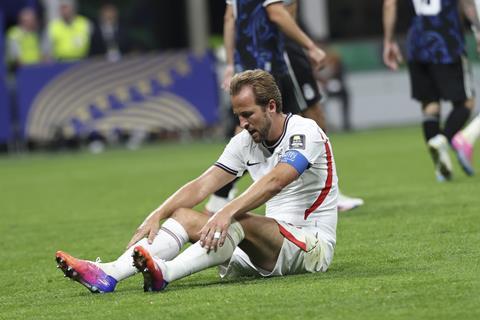
Then England’s dream died and so did mine. Buying shirts now would feel less like a celebration and more like a horrible reminder of pain and failure.
But the World Cup has challenged me as a parent. It’s made me ask myself questions like: How do I model aiming high but losing graciously? How do I help them process disappointment without dismissing it too quickly or teaching them to dwell on it.
So here are a few thoughts on how I’ve been challenged as a parent throughout the World Cup and three lessons I’ve learnt along the way…
1. Love isn’t harsh, but it is honest
At one point I found myself getting frustrated, so much so I was shouting at the TV. I only noticed when I saw my son copy my behaviour and I didn’t like hearing it mirrored back at me through his tiny voice. “This referee is rubbish mate!”
It made me pause for a second. Not even because it wasn’t true (the ref was having a shocker) but because it was a stark reminder of how influenced my children are by me and how I live.
My first thought was - I need to refrain from all criticism. Be more positive. Perhaps I should simply cheer when we score, shrug when we fail, and in doing so, fully support the team.
criticism isn’t always a lack of support - we lovingly reproach sometimes
But then I paused. Is that what fully supporting a team or an individual looks like? It sounds more like toxic positivity or hollow praise to me.
Sure, supporting someone means cheering them on, but doesn’t it also mean challenging them to be better sometimes too? Now of course there is a way to go about that. There’s a world of difference between criticism that tears someone down and correction that helps them grow, but criticism isn’t always a lack of support - we lovingly reproach sometimes.
For instance, when I tell my son he should have passed instead of shooting, or remind my daughter she gave up too easily, it isn’t because I enjoy pointing out faults. It’s because I love them, because I can see their potential and because I want to see them reach it. In those moments silence wouldn’t be loving, it would be indifference.
Support doesn’t mean pretending everything was brilliant
The same is true of God. Hebrews reminds us that the Lord disciplines those he loves. His correction isn’t rejection, it’s evidence that we’re his children, and as parents we’re called to imitate that kind of love - not relentlessly critical, but not afraid to tell the truth either.
Support doesn’t mean pretending everything was brilliant. Sometimes the most loving thing you can say is, “You can do better than that.”
2. Why winning matters
When we lost to Argentina on Wednesday night, a part of me wanted to tell my children, “winning doesn’t matter.”
But I didn’t, because I’m not sure I believe that is true.
If winning didn’t matter, losing wouldn’t hurt. We wouldn’t celebrate champions. We wouldn’t erupt when the ball hits the back of the net. We wouldn’t throw graduation parties, toast newlyweds, celebrate promotions, or beam with pride when our children finally mastered riding a bike or passed their driving test.
So why is it that winning actually does matter?
every victory whispers something true about the world we were made for
I don’t think it’s because God is especially interested in football scores or league tables. I think it’s because every victory whispers something true about the world we were made for.
The Bible doesn’t end with everyone learning that “winning isn’t important.” It ends with Christ victorious. Death is defeated. Sin is conquered. Evil doesn’t get the final word. The story of Scripture is one of ultimate triumph.
Perhaps that’s why our hearts instinctively celebrate victory. Every last-minute winner, every medal ceremony, every exam passed, every long-awaited job offer, every recovery after illness, every impossible comeback stirs something deep within us - not because those moments are ultimate, but because they remind us that one day “everything sad will come untrue.”
We will grieve and mourn far more than World Cup exits in our life time. Earthly victories are wonderful, but they’re temporary
They are, in a sense, rehearsals. Little foretastes of the glory to come.
Of course, no sporting victory can bear the weight of that hope. England will lose again. Our children will fail exams, miss penalties, get rejected from jobs and experience disappointment. We will lose those we love. We will grieve and mourn far more than World Cup exits in our life time. Earthly victories are wonderful, but they’re temporary.
Yet every one of them points beyond itself to the greatest victory of all: Jesus’ triumph over sin and death through the cross and resurrection. Every trophy eventually gathers dust. His victory never fades.
So, I don’t want my children to stop caring about winning. I want them to understand why they care so much - and where that longing ultimately finds its fulfilment.
3. Hope is worth the heartbreak
There’s an old saying - “It’s the hope that kills you”. It’s broader than football, but it’s one that all football fans know all too well.
The notion being that what hurts most isn’t even losing, but the pain of disappointment after you dared to believe you might win. The problem with that is, it doesn’t encourage us to achieve more. In fact, it actually encourages us to believe less.
In the brilliant sitcom “Ted Lasso”, a show where an American football coach becomes an English football manager, Ted reflects on this phase brilliantly, saying:
“I’ve been hearing this phrase y’all got over here that I ain’t too crazy about. “It’s the hope that kills you.” Y’all know that? I disagree, you know? I think it’s the lack of hope that comes and gets ya. See, I believe in hope. I believe in belief. Now, where I’m from, we got a saying too, yeah? A question, actually. “Do you believe in miracles?”
Read more:
5 takeaways for Christian parents from the men’s football World Cup
4 things parents can learn from Christians playing in the football World Cup
Help your children enjoy the 2026 Football World Cup without idolising it
I love it. Not because believing for good things means you will definitely get them, but because, to paraphrase, Proverbs 29:18, “without hope, we perish.”
Ultimately, the answer isn’t to hope less so that disappointment hurts less. The answer is to place our true hope in something that cannot fail.
Romans says that hope does not put us to shame because God’s love has been poured into our hearts through the Holy Spirit. That’s a remarkable claim. Christian hope isn’t wishful thinking, it’s confidence grounded in God’s promises.
football may break your heart, Christ never will
I want my children to care deeply. To celebrate wildly. To feel disappointment, even if that means crying when they lose.
But I also want them to learn that while football may break your heart, Christ never will.
As I wiped away their tears last night, I reminded them, “don’t worry, God is still good and Jesus is still on the throne.” They looked up at me with tear filled eyes, as we hugged and said, “we know daddy”.
That looks like winning to me.
Maybe I’ll get them those England shirts after all.