










Whilst Ramadan and Lent both involve sacrifice, Nesu Kwaramba suggests that the fundamental differences between the two seasons provide helpful ways for our young people to engage friends with the good news of Jesus
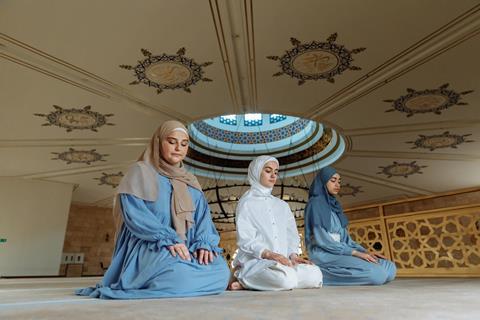
I often kickstart my conversations with the young people at our youth club with the question “what’s new?”. Usually, I can expect answers detailing hangouts with friends, sporting commitments, cinema visits, studying, and searching expressions as some try to remember. However, for the next couple of weeks, I can expect a flurry of responses that are informed by the experience of Ramadan. This is the holy month for Muslims characterised by fasting during daytime to commemorate what they believe was a defining moment in the history of their faith, as well as trying to draw closer God and others through various ways.
Ramadan and Lent provide great evangelistic opportunities for Christian young people to share their life-giving faith
Until the 19th of March this year, many Muslims will be abstaining from food and water from dawn to dusk. Unlike Ramadan, Lent – which also falls during the same time this year – is not an obligation stipulated by Allah, but more of an opportunity that has developed within Christian tradition in the years following Jesus’ resurrection. Lent is an opportunity for Christians to reflect and draw closer to God in the period before Easter through ‘giving something up’ – which can be food, or anything that represents a sacrifice. To me, the contrast between these two versions of sacrifice stands as a microcosm of the vital distinctions between Islam and Christianity; and I believe Ramadan and Lent provide great evangelistic opportunities for Christian young people to share their life-giving faith with their Muslim (and other) friends.
“No pain, no gain”
…is how the saying goes, meaning sacrifice is a prerequisite to experience certain rewards. During Ramadan, young people who are Muslims, fast – as they are doing right now. But what will they gain? A few young people I asked referred to: greater connection with God, time to reflect, and the development of better habits. Many also referred to the immense feeling of community – no doubt present during the communal meals that break the fast at sunset (“Iftar”) and prelude the fast at dawn (“Suhoor”).
Notwithstanding, I remember talking to some year 12 students that talked about how Ramadan was ‘hard’; yet another student mentioned how she participated but struggled to be convinced about these religious rites. Furthermore, the ‘pressure’ that young Muslims face to participate in fasting as they grow up has been documented (some young people I asked started fasting at the ages of 10 and 11); and Muslims appreciate that Ramadan can bring lonely nights, silent struggles and unheard stories for young Muslims. Even Childline has supportive guidance for those partaking in Ramadan given the challenge that it is. One young Muslim shared online how studies showed that the lack of food and sleep heightened emotions and that agitation, tiredness, impatience and being overwhelmed can often be the result. This is real pain.
young Christians can explain their choices during Lent and point to the greatest sacrifice of all and the liberty and real relationship with God it brings
A greater connection with God may be claimed. But which God? It seems heartbreaking to me to know that Muslims are reaching out to a God whom they don’t know as ‘Father’. Jesus said that “I am the way, the truth and the life. No one can come to the Father, except through me” (John 14:6). This is the Father who – having modelled sacrifice in a lavish demonstration of love through His Son (John 3:16) – sent His Spirit into the hearts of His beloved children to pour out His love into their hearts (Romans 5:5; 8:15-16). This is the Father whose invitation to sacrifice is inspired and fuelled by his own passionate example (Romans 12:1; Hebrews 12:1-2). Additionally, Muslims don’t share that biblical and Christian conviction of a Father who longs and loves to communicate with them (John 10:27; 2 Corinthians 13:14; James 4:8).
It’s difficult for me not to compare the exacting demands of Islam with its regimented prayers, obligatory fasting and paucity of intimacy with God to the incident on Mount Carmel. You might remember how the prophets of Baal were met with silence after an extended period of sacrifice, shouting, and self-harm designed to solicit their god’s attention; whilst God’s prophet was answered swiftly after his sacrifice and earnest prayer (1 Kings 18:26-39).
Can you spare 5 minutes to help Premier NexGen? Answering this short survey will help us make our great content for Christian parents even better
This is why I believe Ramadan and Lent are both unique evangelistic opportunities for young Christians to share the gospel. Young Muslims are open to questions of faith during Ramadan; whilst young Christians can explain their choices during Lent and point to the greatest sacrifice of all and the liberty and real relationship with God it brings – this is part of the light and love Christians are called to bring (1 Peter 3:15; Ephesians 4:15).
Living out light and love
- There are a few ways that parents can encourage their children to be light and love bearers to their Muslim and other non-Christian friends during the next few weeks – and even in future times of Lent and Ramadan. Parents can encourage their children to:
- Be the light by asking their Muslim friends about the Ramadan experience– it’s purpose, its benefits, and how it intersects with their Muslim faith – to inspire critical reflection.
- Embody love by engaging in some form of sacrifice during Lent, and even to pray for their Muslim friends to find Jesus during Ramadan and more generally.
- Be the light by sharing their reasons for observing Lent and celebrating Easter.
- Extend love by being more understanding and forgiving when they feel their Muslim friends are coming across as impatient or agitated during Ramadan – as this may be connected to fasting.
- Demonstrate love by helping their Muslim friends a little but more with basic activities during Ramadan given the reality that they are likely to be more fatigued.